
How municipal leaders, economic development professionals, educators, employers, and business organizations help prepare Nevada's workforce and create pathways to opportunity.
By Kim Dung Ho | Las Vegas, Nevada | November 2026
Nevada's economic future is shaped by the connections between its communities, educational institutions, businesses, and workforce development organizations.
When a company considers expanding into Nevada, it evaluates more than available land or operating costs. It also needs infrastructure, a reliable workforce, access to suppliers, and an environment that supports long-term growth.
For Nevada residents, economic opportunity depends on access to education, practical training, career guidance, and employers willing to invest in their communities.
Connecting these needs requires leadership across multiple institutions.
Mayors and local governments establish development priorities and support infrastructure. Economic development professionals work to attract investment and business expansion. Schools, colleges, and universities prepare students and future workers. Workforce organizations connect people with training and employment. Employers communicate industry requirements, while chambers of commerce help strengthen partnerships across the business community.
These functions are interconnected, and the decisions made in one area can influence opportunities throughout the region.
The following Nevada leaders represent different parts of this system. Their careers, responsibilities, and institutional contributions illustrate how economic opportunity is developed through sustained collaboration.
Municipal Leadership: Building Communities Where Businesses and Workers Can Thrive
Cities help establish the physical and economic foundation for business growth.
Local governments make decisions involving infrastructure, land use, public services, redevelopment, and economic development. They also work with businesses and regional organizations to address challenges that extend beyond municipal boundaries.
In Southern Nevada, cooperation among Las Vegas, Henderson, and North Las Vegas is particularly important because people frequently live, study, and work across city boundaries.
Shelley Berkley — Mayor, City of Las Vegas
Shelley Berkley became Mayor of Las Vegas in December 2024, following a career that spans public service, higher education, law, and national government.
Before becoming mayor, Berkley represented Nevada in the United States House of Representatives from 1999 to 2013, serving seven terms in Congress.
Her congressional responsibilities included work involving transportation, small business, veterans affairs, foreign affairs, and healthcare policy.
One of her significant contributions during that period was supporting the development of the Southern Nevada Veterans Affairs medical complex, an important healthcare investment serving the region's military veterans.
Following her congressional career, Berkley became a senior executive within the Touro University system, including serving as CEO and Senior Provost of its Western Division.
That experience connected her work directly to higher education, professional training, healthcare education, and institutional development.
As Mayor of Las Vegas, Berkley's responsibilities involve municipal leadership, economic development, community investment, and collaboration with regional organizations.
Her professional background provides a perspective on how government policy, educational institutions, and healthcare infrastructure contribute to a city's long-term economic strength.
Las Vegas continues to develop opportunities in healthcare, technology, professional services, hospitality, and other industries. Supporting that evolution requires cooperation among city government, employers, educational institutions, and workforce development organizations.
Berkley's career illustrates how experience at the federal, educational, and municipal levels can contribute to regional development.

Olivia Díaz — Mayor Pro Tem, City of Las Vegas
Municipal Leadership, Education, Workforce Development, and Community Revitalization
Olivia Díaz serves as Mayor Pro Tem of the City of Las Vegas, representing Ward 3, which includes downtown Las Vegas and the East Las Vegas neighborhoods where she was born and raised.
Elected to the Las Vegas City Council in June 2019, Díaz became the first Latina elected to the council. She was reelected in 2024 and appointed Mayor Pro Tem in July 2026.
Her career combines experience in public education, state government, municipal leadership, and community development.
Before entering elected office, Díaz worked as an elementary school teacher for nearly 18 years with the Clark County School District, focusing on educational achievement and improving literacy in underserved communities.
She subsequently served in the Nevada State Assembly from 2010 to 2018, representing District 11. During her legislative career, she worked on issues involving education, working families, and access to public resources.
As a member of the Las Vegas City Council, Díaz has focused on neighborhood investment, affordable housing, economic development, education, and workforce opportunities.
One of her major initiatives involves the redevelopment of the former Desert Pines Golf Course site. The proposed redevelopment includes housing opportunities for first-time buyers and seniors, workforce training spaces, small-business development opportunities, and recreational amenities.
She is also involved in the East Las Vegas planning process, working with community members and stakeholders to develop a shared vision for the area's future.
Beyond her municipal responsibilities, Díaz serves as Vice Chair of the Chief Local Elected Official Consortium associated with Workforce Connections. She also participates in regional organizations addressing water infrastructure, planning, and education.
Her professional experience connects classroom education, state policymaking, municipal development, and regional workforce governance.
Díaz's leadership illustrates how neighborhood revitalization, educational access, housing, and employment opportunities contribute to the economic future of Southern Nevada's communities.
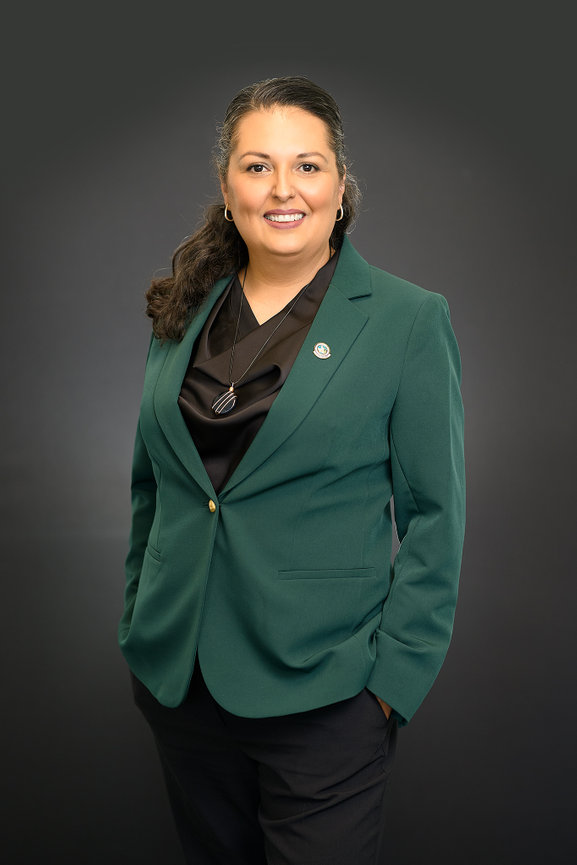
Michelle Romero — Mayor, City of Henderson
Michelle Romero became Mayor of Henderson in January 2023, following more than two decades of professional experience with the city and service on the Henderson City Council.
Before entering elected office, Romero worked for the City of Henderson for approximately 25 years, including serving as Redevelopment Agency Manager.
In that role, she helped guide the revitalization of Henderson's Water Street District, supporting improvements and investment that brought new residential, retail, business, and entertainment opportunities to the area.
Her redevelopment experience also involved projects associated with community infrastructure, healthcare facilities, and commercial investment.
As mayor, Romero participates in regional organizations connecting municipal government with tourism, economic development, and workforce priorities.
She has served as a chief local elected official involved in oversight of Southern Nevada's Workforce Connections system.
This responsibility provides a direct connection between municipal leadership and regional workforce development.
Henderson's continued growth depends on attracting businesses that offer sustainable employment opportunities while supporting infrastructure, housing, and quality of life.
At a 2026 regional business discussion, Romero emphasized the importance of attracting businesses that create career pathways for residents.
Her work illustrates how municipal redevelopment and economic development can contribute to employment opportunities and the long-term development of a skilled local workforce.

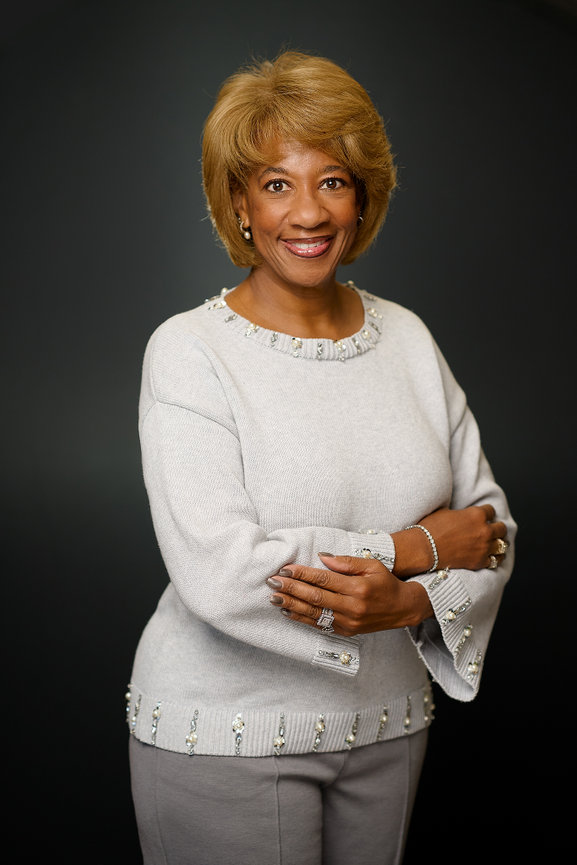
Pamela Goynes-Brown — Mayor, City of North Las Vegas
Pamela Goynes-Brown became Mayor of North Las Vegas in December 2022, becoming the first Black mayor in Nevada's history.
Her professional background combines more than three decades in public education with extensive municipal leadership.
Before entering elected office, Goynes-Brown worked for the Clark County School District for 35 years, retiring as an assistant principal.
She previously served on the North Las Vegas City Council and as Mayor Pro Tempore.
Her experience as an educator provides a perspective on the relationship between educational opportunities, community development, and economic mobility.
North Las Vegas has experienced significant industrial and commercial growth, particularly in manufacturing, logistics, distribution, and development associated with Apex Industrial Park.
These industries create demand for employees with skills in technical operations, transportation, warehousing, engineering, and business management.
The city's economic growth also creates responsibilities involving infrastructure, housing, public services, and community resources.
Goynes-Brown's career connects education and local government in a city where economic development and workforce preparation are closely related.
Her leadership illustrates how decisions about community infrastructure and educational access can influence the opportunities available to future generations.
County Leadership: Connecting Regional Resources With Economic Opportunity
County governments play an important role in supporting economic development, infrastructure, public services, and workforce opportunities.
Their responsibilities extend across communities with different industries, populations, and development needs.
Through regional partnerships and participation in workforce governance, county commissioners can help connect public resources with education, employment, and long-term economic planning.
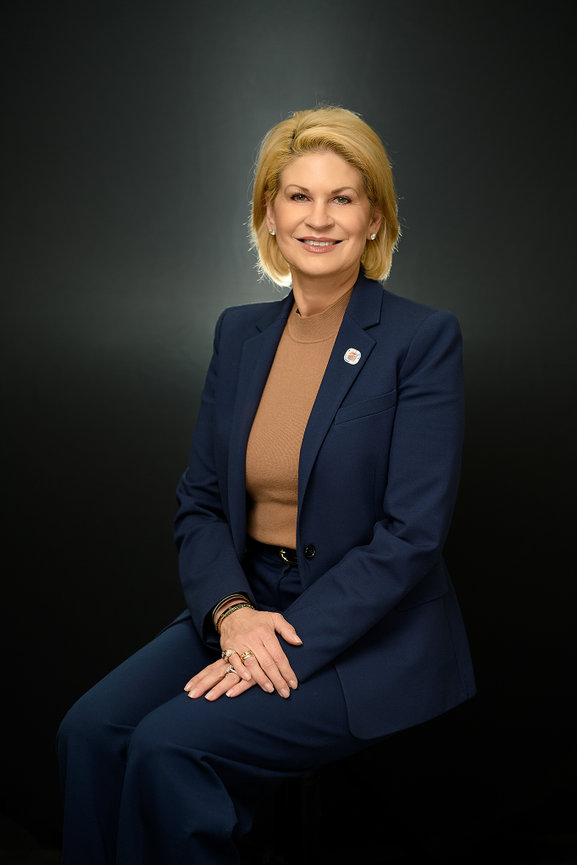
April Becker — Clark County Commissioner, District C
County Government, Workforce Development, Education, and Community Leadership
April Becker serves as Clark County Commissioner for District C, representing communities across northwest Las Vegas, Summerlin, Mount Charleston, Kyle Canyon, and Indian Springs.
Elected in November 2024, Becker began serving on the County Commission in January 2025.
Before entering county government, she developed a career in law and business litigation.
After raising young children while pursuing her education, Becker earned her undergraduate degree and law degree from the University of Nevada, Las Vegas.
She subsequently established herself as a business litigator, representing clients in complex legal matters and providing pro bono legal assistance to individuals who could not otherwise afford representation.
Her professional and community involvement has included service on the UNLV Libraries Advisory Board and the Board of Trustees of The Meadows School.
As County Commissioner, Becker participates in county governance involving infrastructure, public services, fiscal oversight, health, and community development.
Her board and commission responsibilities include participation in Workforce Connections, the Southern Nevada District Board of Health, the Debt Management Commission, and several other public bodies.
County-level decisions influence the conditions under which businesses operate, communities develop, and residents access employment opportunities.
Becker's participation in Workforce Connections provides a direct institutional connection between county leadership and Southern Nevada's workforce development system.
Her career illustrates how experience in law, education, community organizations, and local government can contribute to regional discussions about economic opportunity and public service.
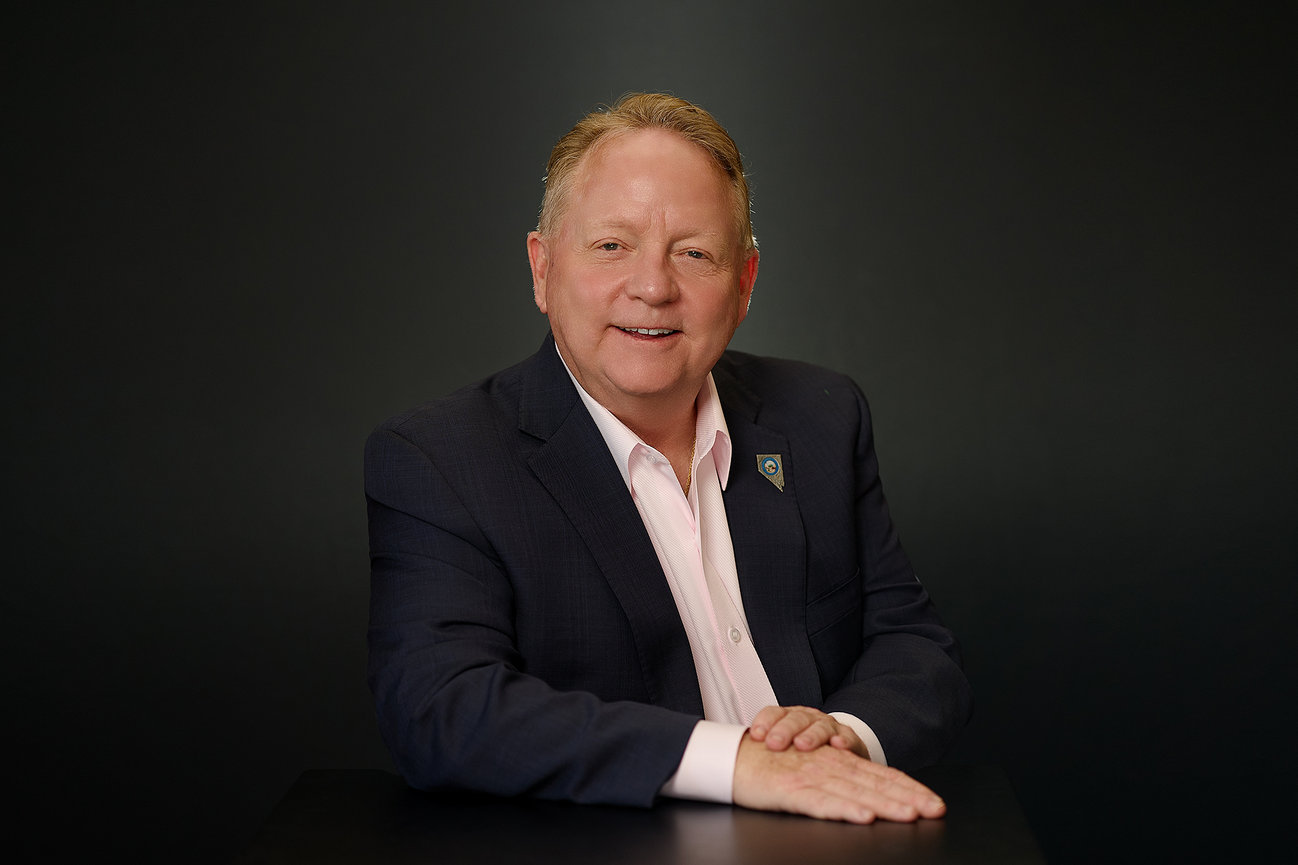
Ron Boskovich — Chair, Nye County Board of Commissioners
County Leadership, Rural Economic Development, and Regional Workforce Governance
Ron Boskovich serves as Chair of the Nye County Board of Commissioners, representing District 4, which includes communities in the Pahrump area.
Elected to the County Commission in 2022, Boskovich became Board Chair in 2025 and was selected to continue in that leadership role for 2026.
His responsibilities involve county governance, public services, economic development, infrastructure, and representing the needs of communities outside Nevada's largest metropolitan areas.
Rural and smaller-community economic development presents challenges involving access to skilled workers, transportation, business services, and training opportunities.
These factors can influence whether local businesses are able to expand and whether residents can find suitable employment close to home.
In 2023, Boskovich joined the Chief Local Elected Official Consortium associated with Workforce Connections, representing Nye County in regional workforce governance.
The consortium participates in oversight responsibilities involving workforce resources, budgets, interlocal agreements, and appointments to the regional workforce development board.
Boskovich has also held liaison and board responsibilities involving the Nevada Association of Counties, regional economic development, and community library services.
His involvement connects the needs of Nye County residents and employers with broader workforce development activities in Southern Nevada.
Boskovich's leadership illustrates the importance of including rural and smaller communities in regional economic planning, ensuring that workforce development extends beyond the Las Vegas metropolitan area.

Economic Development: Connecting Investment With Industry Growth
Economic development professionals work to strengthen Nevada's ability to attract companies, support existing businesses, and diversify its economy.
Their responsibilities include coordinating with employers, identifying development opportunities, and building relationships across government, infrastructure, education, and workforce systems.
As Nevada grows beyond its traditional economic sectors, these connections become increasingly important.
Tom Burns — Executive Director, Nevada Governor's Office of Economic Development
Tom Burns leads the Nevada Governor's Office of Economic Development (GOED), the state's primary agency responsible for business investment, economic diversification, and industry development.
Appointed in January 2023, Burns brought more than three decades of private-sector experience to the position.
His professional background includes accounting, commercial insurance, risk management, business leadership, and extensive involvement with Southern Nevada's business community.
Before joining GOED, he served as President of Cragin & Pike, a longstanding Las Vegas insurance brokerage.
During his tenure, GOED has supported major industrial investment initiatives, including projects associated with Tesla, Redwood Materials, advanced manufacturing, energy technology, and Nevada's developing lithium battery industry.
The agency also works with educational institutions, employers, and regional economic development organizations on initiatives involving workforce training, research, and technology commercialization.
An essential challenge in economic development is matching the needs of expanding industries with the availability of qualified employees.
Companies considering substantial investments need confidence that workers can be recruited and trained over time.
GOED's work therefore connects business attraction with education, workforce preparation, infrastructure, and long-term economic planning.
Burns's leadership represents the statewide perspective on how Nevada can build a more diversified economy while expanding opportunities for residents and employers.
Shani Coleman — Director, Office of Community and Economic Development, Clark County
Shani Coleman leads Clark County's Office of Community and Economic Development.
Her responsibilities include supporting business investment, economic diversification, entrepreneurship, and the development of economic opportunities within unincorporated Clark County.
The county encompasses communities and major business districts that play central roles in Southern Nevada's economy.
Its economic development needs span hospitality, healthcare, logistics, manufacturing, technology, professional services, and emerging industries.
Supporting growth across these sectors requires collaboration with regional economic development organizations, municipal governments, educational institutions, workforce partners, and private companies.
Coleman's work includes helping businesses connect with the resources and institutional relationships necessary for investment and expansion.
Economic development at the county level also involves understanding how commercial activity affects surrounding communities and the infrastructure required to support growth.
As employers expand, access to qualified workers becomes an important part of regional competitiveness.
Coleman's leadership illustrates how local government can connect business development with broader economic and community priorities.

Terri Sheridan — Economic Development Director, City of North Las Vegas
Terri Sheridan serves as Economic Development Director for the City of North Las Vegas.
Her work focuses on business attraction, investment, industrial development, and supporting companies seeking to establish or expand operations in the city.
North Las Vegas has emerged as a significant regional center for logistics, manufacturing, and distribution.
Its location, transportation connections, and major industrial development areas make it an important part of Southern Nevada's economic diversification strategy.
The Apex Industrial Park area represents one of the city's long-term industrial development opportunities.
Businesses operating in these sectors rely on employees with technical skills, logistics experience, equipment operation capabilities, and specialized industry knowledge.
As companies expand, workforce preparation becomes connected to decisions involving industrial infrastructure and business development.
Sheridan's responsibilities require engagement with employers, developers, public agencies, and other economic development partners.
Her work illustrates the role of city-level economic development professionals in translating investment opportunities into business activity and potential employment growth.

Martine Green — Deputy City Manager and Economic Development Director, City of Mesquite
Martine Green serves as Deputy City Manager and Economic Development Director for the City of Mesquite.
Mesquite occupies a distinct geographic position near Nevada's borders with Arizona and Utah, creating opportunities and challenges different from those of the Las Vegas metropolitan area.
Economic development in smaller communities involves attracting investment, supporting existing employers, maintaining infrastructure, and creating opportunities that allow residents to build careers close to home.
For Mesquite, business growth must also be considered alongside housing availability, utilities, transportation, and community resources.
The ability to attract employers depends partly on whether a community can provide a suitable environment for workers and their families.
Green's responsibilities involve coordinating economic development priorities with the city's broader operational and long-term planning needs.
Her work illustrates how smaller Nevada communities participate in regional economic development while addressing their own workforce and infrastructure challenges.
Including Mesquite also broadens the conversation beyond Southern Nevada's largest municipalities.

Dina Babsky — Director, Economic and Urban Development, City of Las Vegas
Dina Babsky leads the City of Las Vegas Department of Economic and Urban Development.
Her responsibilities involve encouraging business investment, supporting redevelopment, working with commercial partners, and advancing projects that contribute to economic activity within the city.
Economic and urban development involves more than recruiting companies.
It also includes understanding how commercial districts evolve, identifying opportunities for redevelopment, and helping businesses navigate the environment in which they operate.
Las Vegas has increasingly emphasized the importance of diversifying its economy while maintaining the strength of established industries.
Projects involving healthcare, commercial development, technology, and urban revitalization can create new opportunities for businesses and employees.
Municipal economic development professionals work with property owners, investors, developers, employers, and regional organizations to support these activities.
Babsky's leadership represents the operational side of creating environments where businesses can expand and communities can benefit from sustained economic activity.
Her role connects public-sector planning with private-sector development and long-term employment opportunities.

Transportation & Workforce Access: Connecting Communities With Jobs
Transportation is an essential part of economic opportunity.
Even when training programs and employment opportunities are available, residents must be able to reach schools, workplaces, healthcare facilities, and other essential services.
Regional transportation systems influence business development, workforce participation, and the ability of communities to grow.
M.J. Maynard-Carey — Chief Executive Officer, Regional Transportation Commission of Southern Nevada
Regional Transportation, Infrastructure, Workforce Access, and Economic Development
M.J. Maynard-Carey serves as Chief Executive Officer of the Regional Transportation Commission of Southern Nevada (RTC), the agency responsible for public transportation, traffic management, roadway funding, and regional transportation planning across the Las Vegas metropolitan area.
She became CEO in 2019 after joining the agency in 2007 and serving in senior leadership positions, including Deputy Chief Executive Officer.
Before entering public transportation, Maynard-Carey spent more than 25 years in Southern Nevada's hospitality industry, including over a decade as Vice President at the Hard Rock Hotel & Casino.
In that role, she oversaw more than 750 employees and managed substantial operational and capital budgets.
Her experience in hospitality provided a private-sector perspective on customer service, operational management, and the transportation needs of a regional economy dependent on moving employees, residents, and visitors efficiently.
At the RTC, Maynard-Carey has led initiatives involving expanded transit services, on-demand mobility, transportation technology, bicycle infrastructure, and long-term regional mobility planning.
These initiatives include the rideRTC mobile application, expanded public transit services, traffic signal technology improvements, and Nevada's first hydrogen fuel cell electric buses.
Transportation infrastructure is closely connected to workforce participation.
Reliable transportation helps residents reach employment centers, educational institutions, training programs, and essential services. It also supports employers seeking access to workers across the Las Vegas Valley.
Maynard-Carey has contributed directly to regional workforce governance through service on the Workforce Connections board.
Her leadership has also extended to the national transportation industry. She served as Chair of the American Public Transportation Association's Board of Directors and received its 2026 Outstanding Public Transportation CEO award.
In October 2026, the RTC announced that Maynard-Carey planned to retire on January 31, 2027, concluding a leadership career spanning more than four decades.
Her career illustrates the essential relationship between transportation infrastructure, business development, workforce access, and economic opportunity.
By connecting communities with places of employment and education, regional transportation systems contribute directly to Southern Nevada's long-term economic development.

Education: Preparing Nevada's Next Generation of Workers and Professionals
Workforce preparation begins in schools and continues through community colleges, universities, technical education, and professional training.
Educational institutions provide foundational knowledge, specialized skills, research capabilities, and pathways toward employment.
Their relationships with employers help connect academic preparation with the evolving needs of Nevada's economy.
Dr. Victor Wakefield — Nevada Superintendent of Public Instruction
Dr. Victor Wakefield serves as Nevada's Superintendent of Public Instruction, leading the Nevada Department of Education.
His career began in classroom teaching before expanding into educator development, educational leadership, and public policy.
Wakefield spent more than 16 years with Teach For America, including leadership responsibilities in Las Vegas and national roles involving multiple regions.
He also served on the Nevada State Board of Education and contributed to education policy discussions through research and institutional partnerships.
In 2026, the Nevada Department of Education established strategic priorities addressing foundational academic skills, educator support, family engagement, aligned educational systems, and college and career readiness.
These priorities reflect an important principle: workforce preparation begins years before students enter employment.
Literacy, mathematics, critical thinking, and educational engagement help establish the foundation for future technical training and professional development.
The state education system also influences how students discover career pathways and prepare for higher education.
Wakefield's leadership connects statewide education policy with the long-term development of Nevada's future workforce.
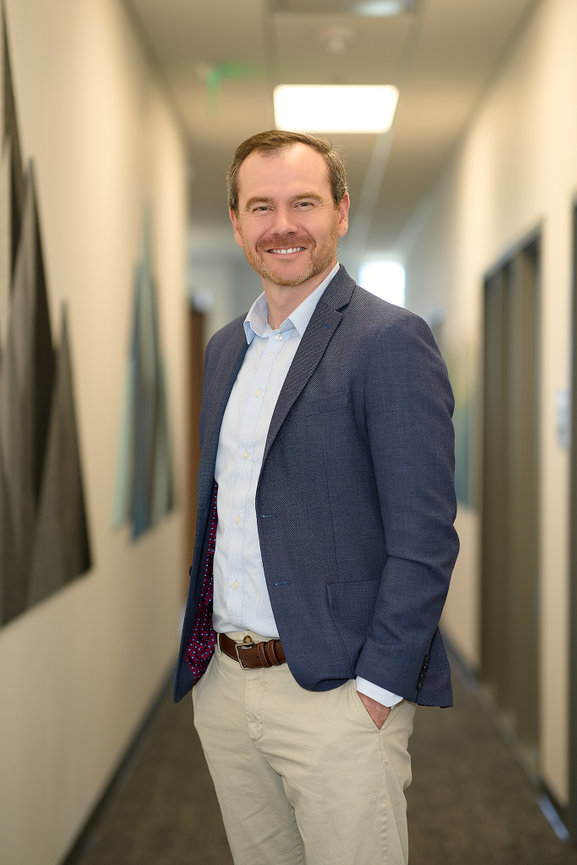
Jhone Ebert — Superintendent, Clark County School District
Jhone Ebert leads the Clark County School District (CCSD), one of the largest public school systems in the United States.
Her career includes more than three decades in education, beginning as a mathematics teacher and progressing through district administration and statewide education leadership.
Before returning to CCSD as superintendent, Ebert served as Nevada's Superintendent of Public Instruction.
At CCSD, her leadership priorities include academic achievement, school improvement, educational access, and preparing students for success beyond graduation.
The district plays a central role in Nevada's workforce pipeline because its students will become the region's future employees, entrepreneurs, healthcare workers, educators, technicians, and business leaders.
Career and technical education programs introduce students to fields that require specialized knowledge and practical experience.
Partnerships with community colleges, universities, and employers can help connect these programs with industry needs.
Ebert's responsibilities illustrate the connection between public school outcomes and the long-term economic opportunities available to Southern Nevada residents.
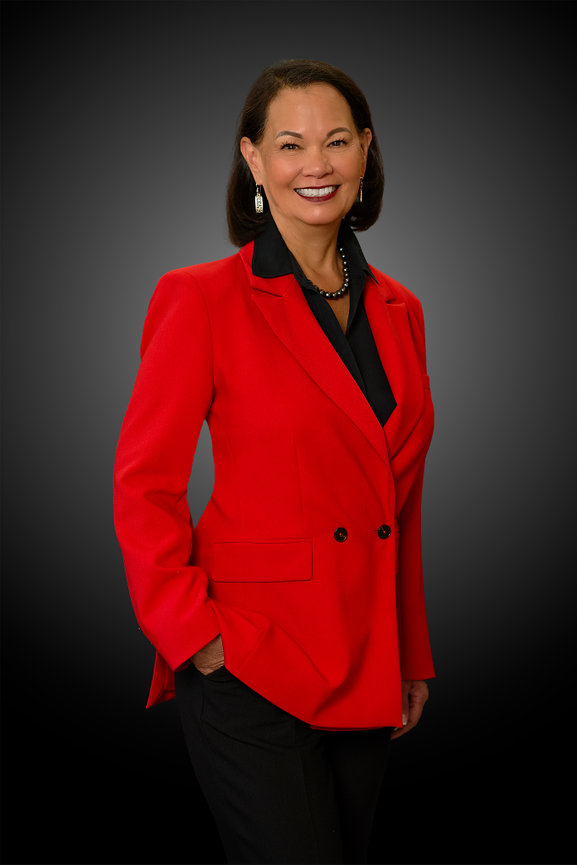
Matt McNair — Chancellor, Nevada System of Higher Education
Matt McNair serves as Chancellor of the Nevada System of Higher Education (NSHE).
The system includes Nevada's public research universities, state university, community colleges, and Desert Research Institute.
Its institutions provide academic education, workforce training, technical credentials, professional preparation, and research opportunities.
As chancellor, McNair works with the Board of Regents and institutional leaders to support statewide higher education priorities.
His responsibilities involve coordinating a system whose institutions serve different educational needs while contributing to Nevada's overall economic development.
Community colleges provide accessible education and career training. Universities prepare professionals, conduct research, and support innovation. The Desert Research Institute contributes scientific expertise and specialized research capabilities.
Together, these institutions form an important part of Nevada's education and workforce infrastructure.
McNair's leadership illustrates how statewide coordination can help connect educational opportunities with the needs of students, employers, and a changing economy.

Dr. Chris Heavey — President, University of Nevada, Las Vegas
Dr. Chris Heavey serves as President of the University of Nevada, Las Vegas (UNLV).
He became the university's 12th permanent president in October 2026 after serving as interim president since April 2025.
Heavey has spent more than three decades at UNLV, holding academic and administrative positions including Dean of the College of Liberal Arts, Vice Provost, and Executive Vice President and Provost.
His professional background includes research and teaching in psychology, together with extensive experience in university leadership.
As a major research university, UNLV contributes to Nevada's workforce through academic programs, professional education, advanced research, and partnerships with public and private organizations.
Its programs span healthcare, engineering, technology, business, hospitality, education, and numerous specialized fields.
University research also supports innovation and the development of new commercial opportunities.
Heavey's leadership connects academic excellence with student success and partnerships that strengthen UNLV's contribution to Southern Nevada.
His role illustrates how universities prepare future professionals while also serving as institutions that support research, entrepreneurship, and economic development.
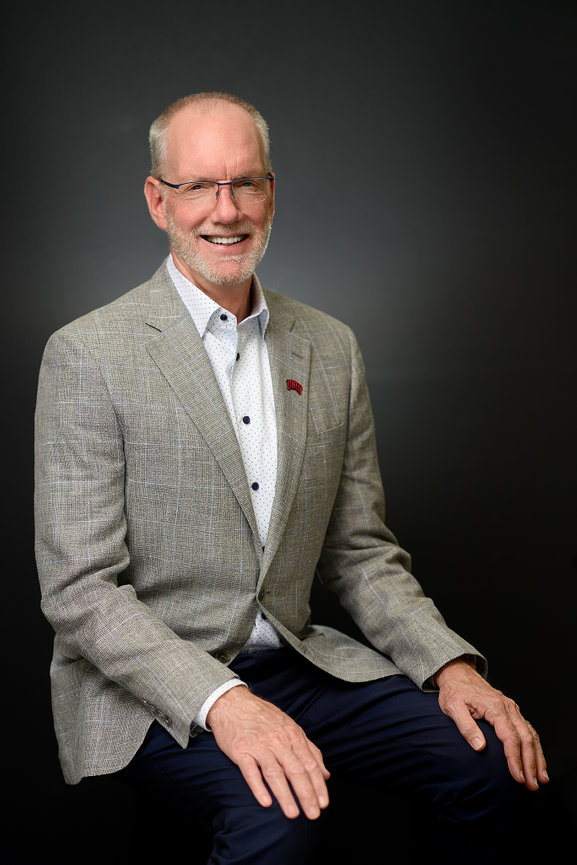
Zach Miles — Vice President for Economic Development, University of Nevada, Las Vegas
Zach Miles serves as Vice President for Economic Development at UNLV, following his permanent appointment effective November 1, 2026.
He also leads the UNLV Research Foundation and Innovation Foundation.
Miles has more than two decades of experience in university-based economic development, research commercialization, technology transfer, and industry engagement.
His work includes supporting the development of the UNLV Harry Reid Research & Technology Park and Black Fire Innovation.
These initiatives help connect university researchers with companies, entrepreneurs, investors, and opportunities to develop new technologies.
Research commercialization is an important component of a diversified economy because discoveries developed within universities can become the foundation for new businesses and specialized employment.
Innovation programs also create opportunities for students and researchers to gain experience working with industry partners.
Miles's leadership illustrates how universities can connect education, research, entrepreneurship, and regional economic development.
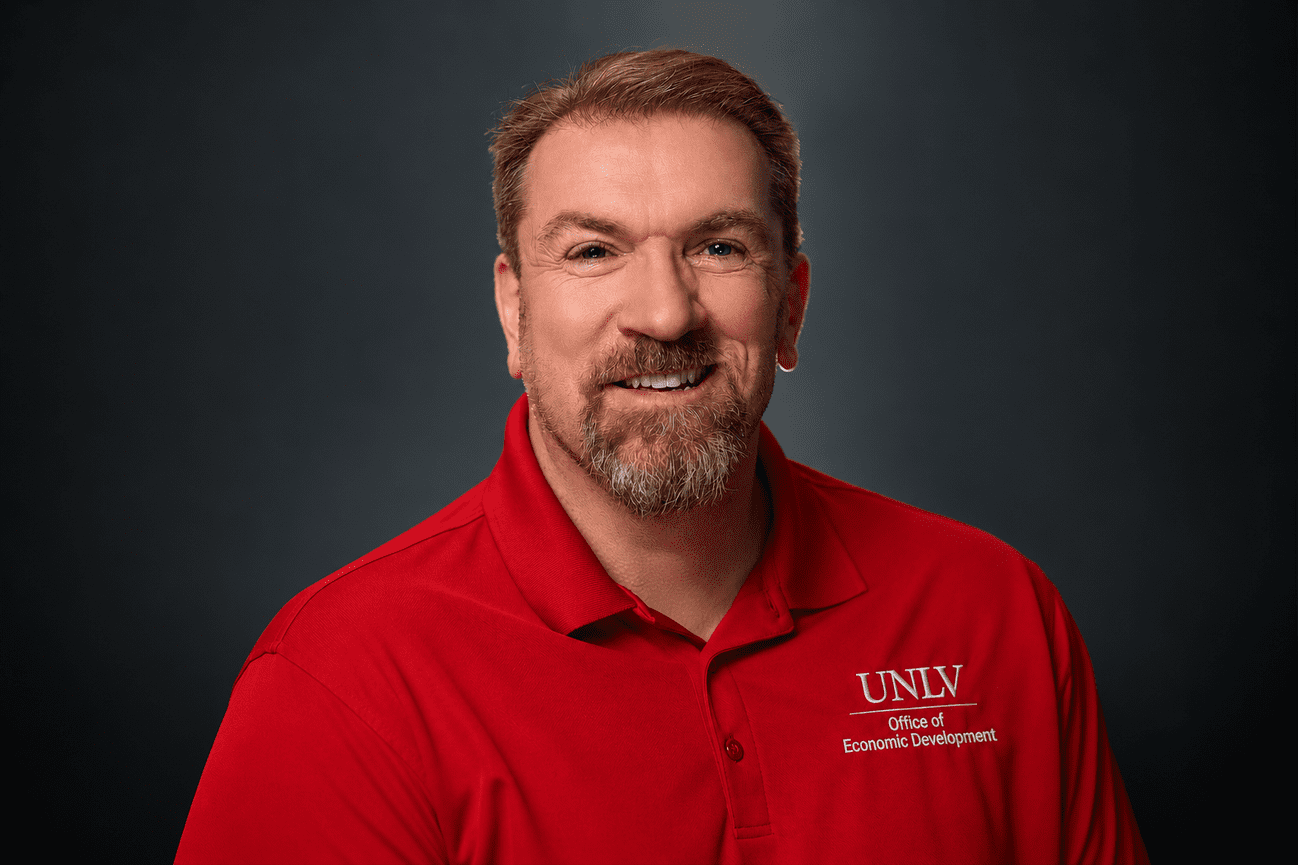
Dr. Kumud Acharya — President, Desert Research Institute
Scientific Research, STEM Education, Innovation, and Economic Development
Dr. Kumud Acharya serves as President of the Desert Research Institute (DRI), Nevada's internationally recognized scientific research institution and a member of the Nevada System of Higher Education.
Appointed permanent president in September 2020, Acharya leads an organization with more than 600 scientists, engineers, students, and research support professionals across its Las Vegas and Reno campuses.
His leadership focuses on advancing research in environmental science, water resources, atmospheric sciences, wildfire, drought, extreme weather, and climate modeling.
An ecological engineer with more than 25 years of research experience, Acharya has conducted pioneering work addressing water quality, aquatic ecosystems, invasive species, environmental restoration, and the effects of climate change.
He has published more than 100 peer-reviewed scientific papers and contributed to research addressing environmental challenges in Nevada and internationally.
Beyond scientific research, Acharya has emphasized the importance of preparing future generations for careers in science, technology, engineering, and mathematics.
Under his leadership, DRI expanded its STEM education initiatives, providing teacher training, educational resources, and opportunities for students to engage with scientific research.
The institute also launched an undergraduate internship immersion program designed to introduce students to research careers, including those who may not previously have considered pursuing a STEM profession.
DRI works closely with Nevada's universities, supporting graduate researchers and connecting students with scientists working on real-world environmental challenges.
These partnerships contribute to the development of specialized technical skills, scientific expertise, and Nevada's research workforce.
Acharya has also supported collaboration between scientific research and economic development.
His involvement with regional economic development organizations, including the Las Vegas Global Economic Alliance and the Economic Development Authority of Western Nevada, reflects the relationship between research institutions, business investment, and the growth of knowledge-based industries.
DRI's research partnerships extend nationally and internationally, connecting Nevada with institutions working on environmental sustainability, emerging
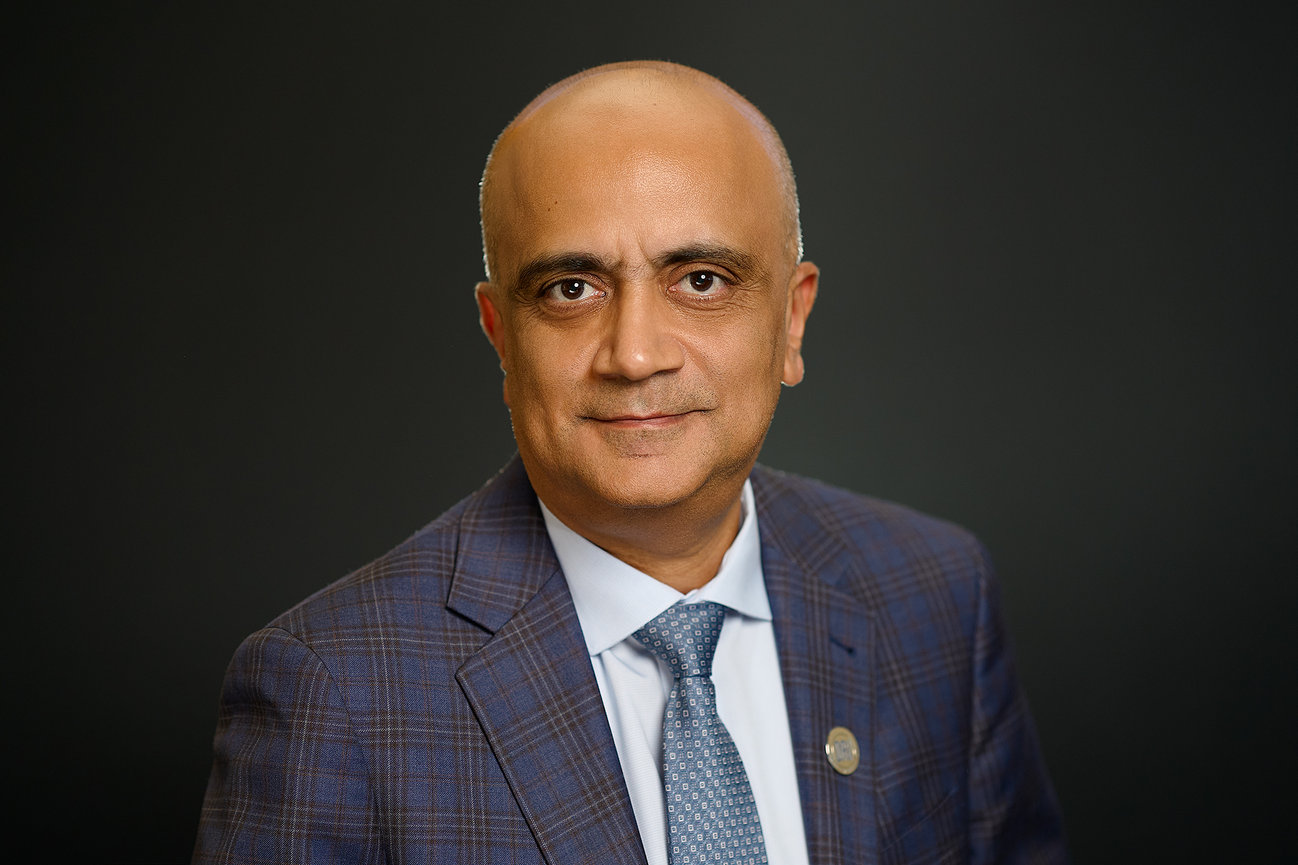
Dr. Stacy Klippenstein — President, College of Southern Nevada
Dr. Stacy Klippenstein became the 10th President of the College of Southern Nevada (CSN) in July 2025.
He brings more than three decades of experience in higher education, including leadership positions at community colleges in Arizona and Montana.
Before joining CSN, Klippenstein served as President of Mohave College and Miles Community College.
His career has focused on student success, educational access, institutional development, and the role of community colleges in supporting their regions.
CSN is Nevada's largest community college, serving approximately 45,000 students annually.
Its programs include academic transfer pathways, technical education, professional credentials, and workforce training across a wide range of industries.
Community colleges play an important role in responding to employer needs because they offer accessible opportunities for people entering the workforce, changing careers, or seeking additional qualifications.
Klippenstein's leadership represents the connection between student achievement, community partnerships, and the development of a workforce prepared for Nevada's evolving economy.
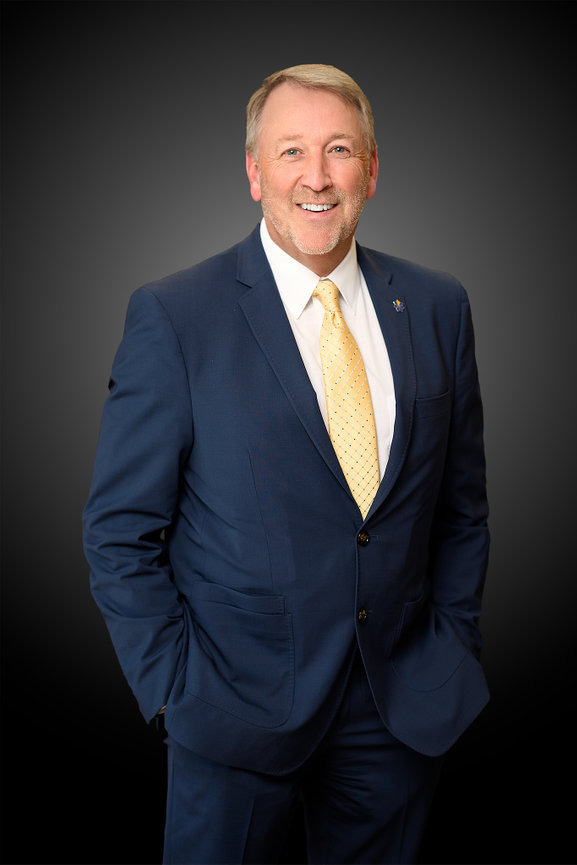
Clarissa Cota — Vice President, External Relations and Campus Operations, College of Southern Nevada
Clarissa Cota serves as Vice President for External Relations and Campus Operations at the College of Southern Nevada.
Her responsibilities include campus leadership and institutional relationships connecting the college with businesses, public agencies, and community organizations.
Cota brings experience in higher education administration, law, and institutional development.
Large educational institutions depend on effective operations and strong external relationships to provide students with access to programs and resources.
At CSN, these relationships are particularly important because the college serves students across multiple campuses and connects educational programs with workforce preparation.
Community colleges work with employers to understand evolving skill requirements and develop educational opportunities that support career advancement.
Institutional partnerships can also help students connect with internships, training programs, and professional networks.
Cota's leadership illustrates the importance of administration and community engagement in making educational institutions effective contributors to regional workforce development.

Dr. Amber Lopez Lasater — Former Acting President, Nevada State University
Dr. Amber Lopez Lasater served as Acting President of Nevada State University from October 2025 through July 2026.
Before assuming the acting presidency, she held senior institutional leadership responsibilities involving strategic planning, university administration, and external partnerships.
Her work contributed to Nevada State's development as a public university focused on educational access, student success, and regional workforce needs.
She was involved in initiatives supporting institutional growth, including the university's transition from Nevada State College to Nevada State University.
In January 2026, she delivered a State of the University address emphasizing student success, workforce readiness, and partnerships that connect education with community needs.
Nevada State contributes to the region's workforce through academic programs in nursing, education, business, and other professional fields.
Lopez Lasater's leadership during an institutional transition illustrates the importance of strategic planning, community engagement, and educational continuity.
Her experience also demonstrates how higher education institutions contribute to economic opportunity through both academic preparation and long-term partnerships.

Workforce Development: Connecting Skills With Employment Opportunities
Educational institutions help people develop capabilities. Workforce development organizations help connect those capabilities with actual employment opportunities.
Their work involves understanding employer needs, coordinating training, supporting job seekers, and helping residents navigate career transitions.
These organizations are particularly important when new industries require skills that may not yet be widely available in the local labor market.
Jaime Cruz — Executive Director, Workforce Connections
Jaime Cruz serves as Executive Director of Workforce Connections, Southern Nevada's local workforce development board.
He assumed the executive director position in 2017 after serving as the organization's Chief Strategy Officer.
Cruz's professional background includes mechanical engineering, energy management, sustainability, and private-sector operations.
His own career journey includes immigrating to the United States and navigating the challenges of entering the American workforce.
Before joining Workforce Connections, he worked on major sustainability and building systems initiatives in the Las Vegas hospitality industry.
Workforce Connections brings together employers, education institutions, public agencies, and community organizations to help residents access training and employment opportunities.
An important part of its work is coordinating Industry Sector Partnerships focused on economic sectors important to Southern Nevada's future.
These partnerships give employers a forum to communicate workforce needs while connecting them with educational and training organizations.
Cruz's leadership represents the relationship between workforce systems, employer engagement, and economic mobility.
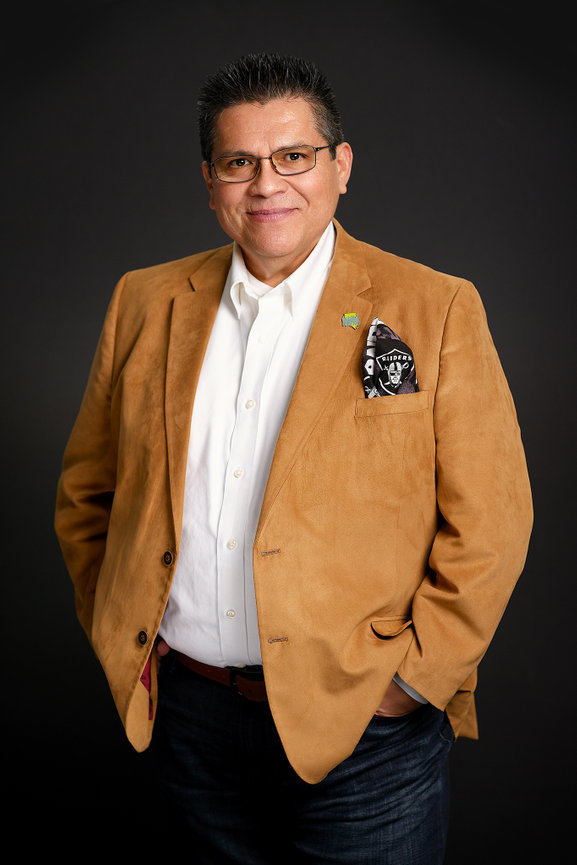
Kelvin Watson — Executive Director, Las Vegas-Clark County Library District
Public Libraries, Workforce Development, Digital Literacy, and Community Access
Kelvin Watson serves as Executive Director of the Las Vegas-Clark County Library District, overseeing Nevada's largest public library system, which operates 25 branches with more than 600 employees across an 8,000-square-mile service area.
Since joining the district in 2021, Watson has focused on expanding the role of public libraries beyond traditional collections and educational resources. His leadership emphasizes digital literacy, technological innovation, community partnerships, workforce development, and increasing access to opportunities for underserved populations.
Before moving to Las Vegas, Watson served as Director of Broward County Libraries in Florida, overseeing 38 locations. His earlier career included executive leadership at Queens Library in New York, where he worked on technology, digital access, and innovative library services.
One of the Library District's significant workforce initiatives is its partnership with Workforce Connections to establish EmployNV Career Hubs within five community libraries.
These centers help residents access career counseling, skills assessments, workforce training resources, résumé development, interview preparation, digital literacy programs, and connections to employers.
By bringing employment services into neighborhood libraries, the partnership makes workforce resources more accessible to residents who may face transportation, technology, or other barriers to traditional career centers.
Watson's leadership has received national recognition. In January 2026, Library Journal named him its 2026 Librarian of the Year, recognizing his innovative approach to library services, community collaboration, and expanding access to information and opportunity.
He has also received recognition from the American Library Association for his contributions to the library profession.
Watson's career illustrates how public libraries can function as essential community infrastructure, connecting education, technology, workforce development, and economic mobility.
His work demonstrates that preparing people for employment involves not only educational institutions and employers, but also accessible public spaces where residents can develop skills, find resources, and pursue new opportunities.

Christopher Sewell — Director, Nevada Department of Employment, Training and Rehabilitation
Christopher Sewell leads Nevada's Department of Employment, Training and Rehabilitation (DETR).
The department administers major statewide programs involving employment services, workforce development, unemployment insurance, and vocational rehabilitation.
These services help workers and employers respond to changing economic conditions and employment needs.
DETR's responsibilities include helping individuals access job resources, supporting workforce programs, and providing services for people experiencing barriers to employment.
State workforce agencies also contribute information about labor market conditions and employment trends.
That information can help educational institutions, training providers, employers, and workforce organizations understand changes in labor demand.
As Nevada develops industries requiring specialized skills, statewide coordination becomes an important part of preparing workers for available opportunities.
Sewell's leadership represents the public infrastructure supporting employment services and workforce participation across Nevada.
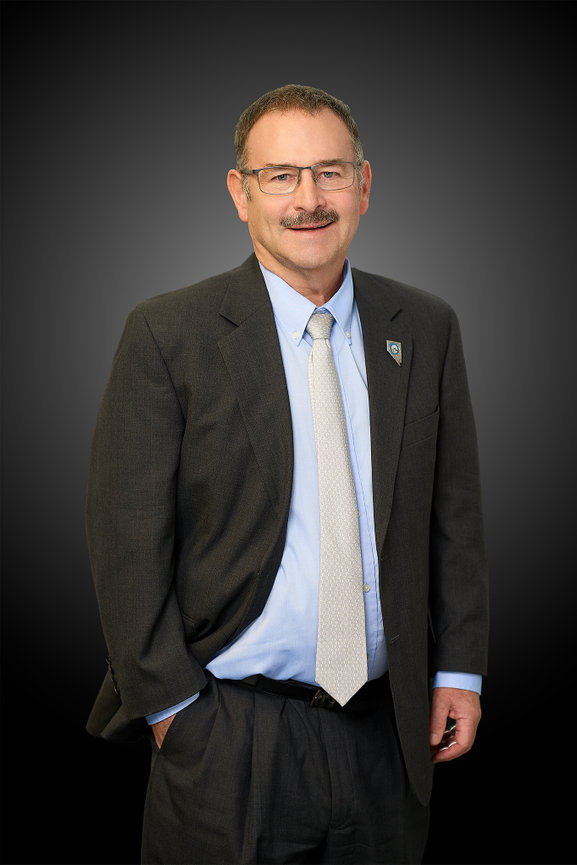
Employers: Connecting Industry Needs With Training and Career Pathways
Businesses ultimately determine many of the skills needed for employment.
Employers communicate hiring requirements, identify workforce shortages, invest in employee development, and sometimes participate directly in vocational education.
Their involvement helps educational institutions and workforce organizations understand the practical demands of different industries.
Crystal Hirschi — Executive Vice President and Co-owner, Hirschi Companies
Crystal Hirschi is Executive Vice President and co-owner of Hirschi Companies, a construction-related enterprise operating across Nevada, Utah, and Arizona.
The business began in 2009 with 39 employees and expanded into a group of companies employing hundreds of workers across the region.
Hirschi's responsibilities involve strategic planning, marketing, workforce development, and community engagement.
She has been actively involved in initiatives connecting education, skilled trades, and employment opportunity.
One example is the Pathways School of Masonry, which provides vocational training intended to help participants develop practical skills for construction careers.
The construction industry depends on workers trained in specialized trades, safety practices, equipment, project coordination, and technical operations.
Programs involving employers can help make training more relevant to real workplace requirements.
Hirschi also participates in the Workforce Connections board, bringing a business perspective to discussions about regional workforce needs.
Her leadership illustrates how employers can directly contribute to workforce preparation while creating pathways into skilled careers.

Tom Power — Chief Operating Officer, Star Gold Corp.; Former President and CEO, Sunshine Minting
Tom Power has spent more than three decades in precious metals manufacturing, industrial operations, and international business leadership.
He previously served as President and CEO of Sunshine Minting, helping develop the company from a regional supplier into an international manufacturing enterprise.
During his leadership, the company expanded operations in the United States and China, serving financial institutions, sovereign mints, and precious metals businesses.
In October 2026, Power was appointed Chief Operating Officer of Star Gold Corporation.
His professional background includes experience in industrial production, company expansion, supply chains, technical operations, and business management.
Manufacturing companies require employees with specialized skills in production systems, equipment, quality control, logistics, engineering, and operational supervision.
As these businesses expand, workforce readiness becomes an essential part of long-term operational planning.
Power has also participated in the Workforce Connections board, contributing an employer perspective to regional workforce development discussions.
His career illustrates the connection between industrial investment, specialized training, and the development of a capable workforce.

Chambers of Commerce: Connecting Businesses, Institutions, and Communities
Chambers of commerce and business associations help bring employers into conversations about regional economic priorities.
Their members include businesses of different sizes and industries, each with distinct needs involving hiring, expansion, regulation, and access to resources.
Through professional networks, advocacy, programs, and institutional relationships, these organizations can help connect businesses with educational institutions, workforce agencies, and economic development partners.
Mary Beth Sewald — President and CEO, Vegas Chamber
Mary Beth Sewald leads the Vegas Chamber, one of Southern Nevada's principal business membership and advocacy organizations.
Her career includes executive leadership in broadcasting, media, and business organizations.
As Chamber President and CEO, she works with businesses across industries ranging from small enterprises and professional services to major corporations.
The Chamber's activities include business advocacy, leadership development, professional networking, economic policy engagement, and regional partnerships.
A significant part of its institutional role involves representing employer perspectives in conversations about economic development and workforce needs.
Businesses require access to skilled employees, infrastructure, and public policies that support growth.
Chambers can help communicate these needs while creating relationships among companies, educators, workforce organizations, and government agencies.
Sewald's leadership illustrates how a regional business organization can help connect private-sector priorities with the institutions shaping Southern Nevada's economic future.

Peter Guzman — President and CEO, Latin Chamber of Commerce Nevada
Peter Guzman leads the Latin Chamber of Commerce Nevada, an organization supporting entrepreneurship, business development, and economic opportunity.
His professional background includes business leadership, entrepreneurship, and extensive community involvement.
The Latin Chamber serves as a connection point among small businesses, corporate partners, educational institutions, and public agencies.
Its work includes professional networking, business advocacy, access to resources, and initiatives intended to strengthen entrepreneurship.
Small businesses contribute to Nevada's economic activity by providing employment, services, and opportunities for business ownership.
Their ability to grow often depends on access to information, financing, training, and professional relationships.
Business associations can help connect entrepreneurs with these resources and introduce them to institutional partners.
Guzman's leadership represents the importance of ensuring that diverse business communities participate in Nevada's broader economic development ecosystem.
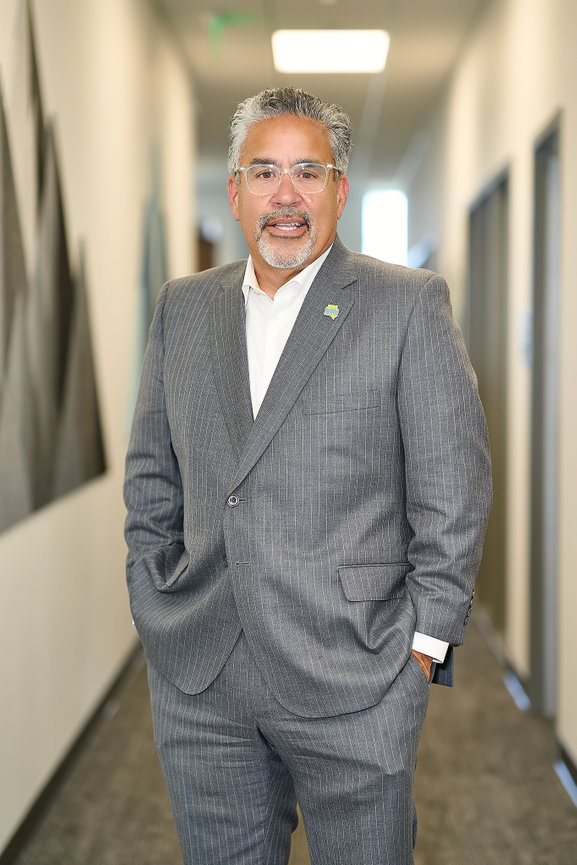
Christopher Shelton — President, Urban Chamber of Commerce
Christopher Shelton serves as President of the Urban Chamber of Commerce in Las Vegas.
He brings professional experience in business development, corporate operations, and nonprofit consulting.
His career includes work within the pharmaceutical industry, giving him experience in organizations that depend on specialized knowledge, professional relationships, and complex business operations.
The Urban Chamber supports entrepreneurs, small businesses, and community economic development.
Its activities help businesses connect with professional networks, institutional resources, and opportunities for growth.
Smaller businesses often face challenges involving capital, hiring, operational capacity, and access to professional expertise.
Business organizations can help address these challenges through education, partnerships, and advocacy.
Shelton's leadership represents the role of business associations in connecting entrepreneurship with opportunities for economic participation and job creation.
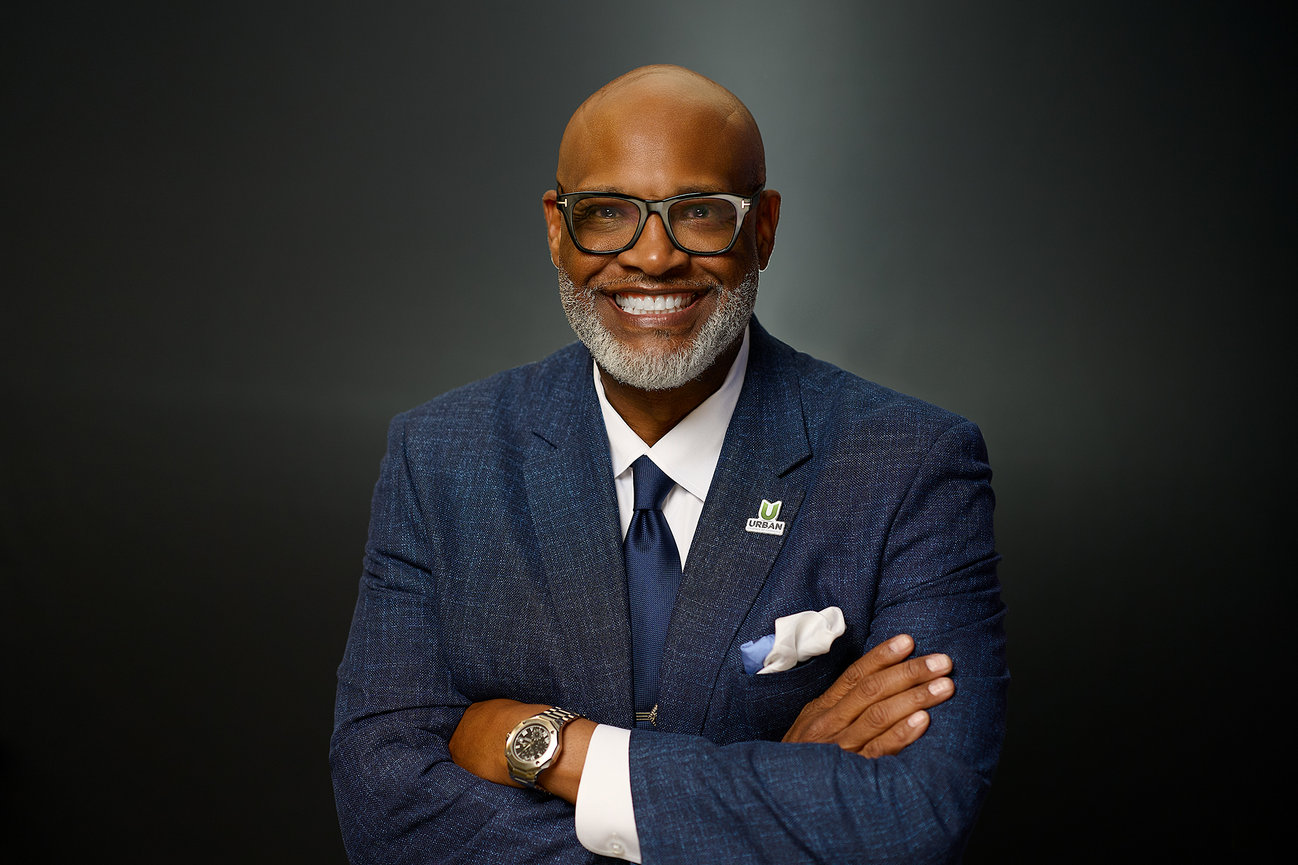
Scott Muelrath — President and CEO, Henderson Chamber of Commerce
Scott Muelrath leads the Henderson Chamber of Commerce, representing businesses across one of Southern Nevada's major economic centers.
His professional work includes business leadership, community engagement, and supporting the relationships that contribute to Henderson's economic development.
The Henderson Chamber provides services and programs involving professional networking, business advocacy, leadership development, and community partnerships.
As Henderson attracts new employers and expands existing business activity, workforce needs become increasingly important.
Companies require access to talent, training resources, and institutional relationships that can support growth.
The Chamber helps connect employers with one another and with organizations involved in education, workforce preparation, and economic development.
Muelrath's leadership illustrates how local business organizations can strengthen collaboration across industries while supporting a community's long-term economic goals.
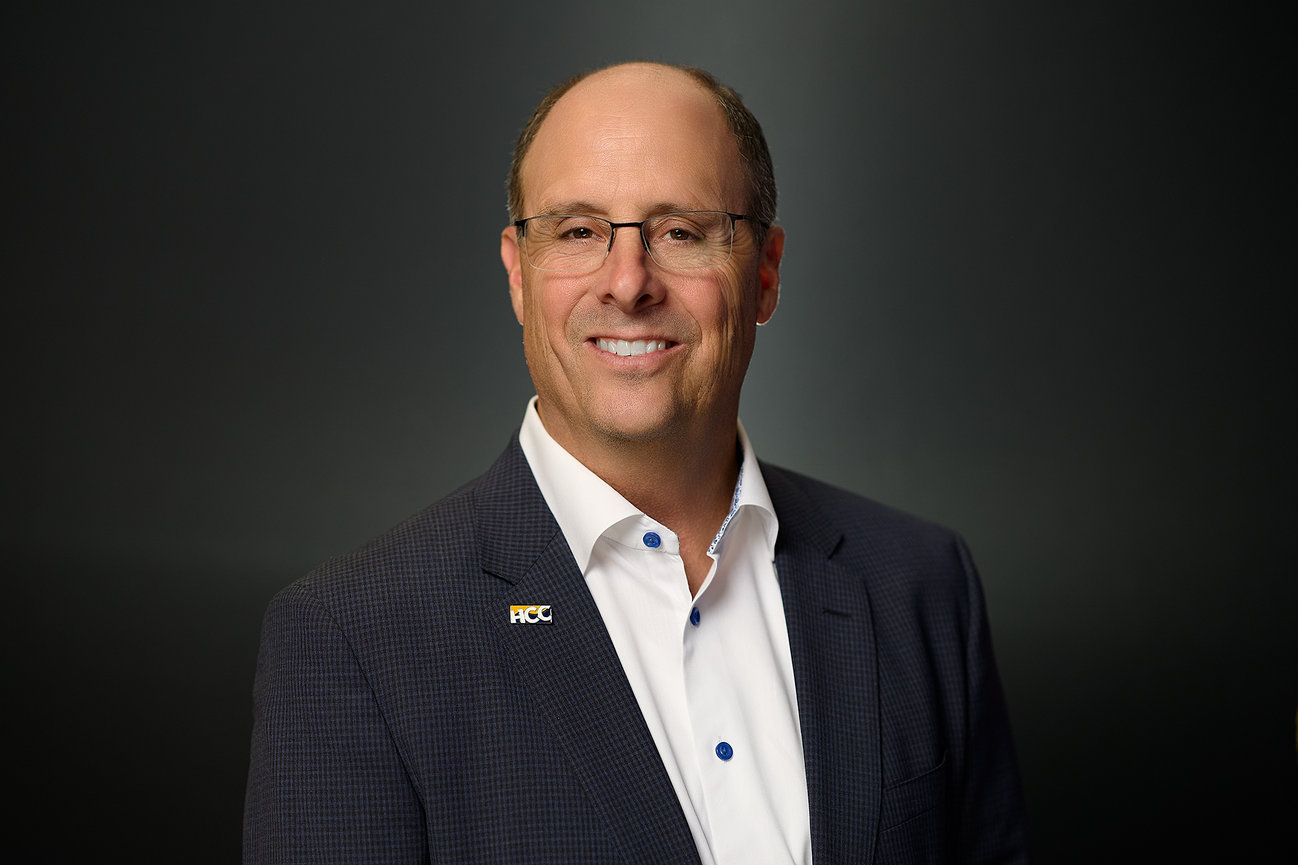
Catherine Francisco — Chief Executive Officer, Asian American and Pacific Islander Chamber of Commerce
Catherine Francisco leads the Asian American and Pacific Islander Chamber of Commerce in Southern Nevada.
She brings more than three decades of combined experience in management, business development, media, marketing, fundraising, and community engagement.
Before leading the Chamber, Francisco worked with Vegas PBS, developing relationships with nonprofit organizations and businesses on community initiatives and institutional partnerships.
Her experience includes supporting charitable programs, professional networking, and initiatives involving underserved communities.
The AAPI Chamber helps entrepreneurs, business owners, and professionals connect with resources and opportunities within Nevada's economy.
Its work includes advocacy, business relationships, and supporting participation in regional economic activity.
Culturally connected business organizations can also help expand communication among communities, employers, and institutional partners.
Francisco's leadership represents the role of diverse professional networks in strengthening entrepreneurship and economic opportunity across Southern Nevada.

How These Leaders and Institutions Connect
The individuals featured in this article represent different responsibilities, yet their work contributes to a shared regional system.
Municipal governments create the environment in which businesses and residents operate.
Economic development organizations help attract investment and support expanding industries.
Educational institutions prepare students with foundational knowledge, technical capabilities, and professional qualifications.
Workforce development organizations connect people with training and employment services.
Employers communicate skill requirements, provide jobs, and contribute to training programs.
Chambers of commerce help businesses build relationships and participate in regional economic initiatives.
The connections between these groups become particularly important when industries grow or change.
Consider a manufacturing company planning to expand in Southern Nevada.
The company may begin by working with local or state economic development professionals to evaluate available sites, infrastructure, and business conditions.
City and county agencies may become involved in development and permitting processes.
The employer may then work with workforce organizations to understand local labor availability and identify recruitment opportunities.
Community colleges and universities can help prepare employees with appropriate technical knowledge, credentials, and professional training.
Chambers of commerce and business associations may provide additional connections to suppliers, service providers, and other employers.
Each organization contributes a different function, yet the success of the investment can depend on how effectively those functions connect.
A similar pattern occurs in healthcare, construction, information technology, logistics, and other industries.
A Real Example: Southern Nevada's Industry Sector Partnerships
One of the clearest examples of this collaborative approach is the Industry Sector Partnerships coordinated through Workforce Connections and regional partners.
The initiative focuses on seven industries identified as important to Southern Nevada's economic development:
-
Healthcare Services
-
General and Advanced Manufacturing
-
Information and Communication Technologies
-
Transportation and Logistics Technologies
-
Clean Technologies
-
Business and Financial Services
-
Creative Industries
The model is employer-driven and community-supported.
Employers help identify industry needs, while educational institutions, workforce organizations, and other partners collaborate to develop responses.
These partnerships bring together businesses and institutions including Workforce Connections, Clark County School District, the College of Southern Nevada, UNLV, Nevada State University, chambers of commerce, economic development organizations, and state workforce agencies.
The purpose is to align training and career pathways more closely with the actual needs of employers.
A 2026 program update reported participation by more than 350 regional employers, more than 120 industry convenings, and 44 collective industry actions since the partnerships launched.
These figures describe the partnership's reported activity. They also provide a concrete example of how Nevada's workforce system can function through collaboration among organizations with different responsibilities.
Regional Cooperation Across City Boundaries
Nevada's workforce challenges cannot be addressed by any one municipality.
People may live in North Las Vegas, attend school in Henderson, and work in Las Vegas. Employers recruit from across the metropolitan region.
This creates shared priorities involving transportation, housing, educational access, infrastructure, and employment opportunity.
In August 2026, Mayors Shelley Berkley, Michelle Romero, and Pamela Goynes-Brown appeared together at a Vegas Chamber business luncheon to discuss regional economic development, infrastructure, and cooperation.
Their participation demonstrated the importance of communication among neighboring cities whose economies and communities are closely connected.
Regional collaboration helps governments and institutions approach shared challenges with a wider perspective.
For workforce development, that perspective is particularly important because employers and workers operate across municipal boundaries.
Education and Employers: A Continuing Conversation
A successful workforce system requires more than developing educational programs.
Employers must be able to communicate the skills and capabilities they need. Educational institutions must understand how industries are evolving. Workforce organizations must help people access the pathways that connect education with employment.
Those relationships require ongoing communication.
Technological changes, population growth, business expansion, and new industries can influence labor demand.
Training programs may need to adapt as employers introduce new equipment, processes, and professional requirements.
The role of educational and workforce leaders is therefore continuous: preparing people for opportunities that exist today while anticipating the skills that may be needed tomorrow.
Employers also have an important responsibility in this process.
By participating in partnerships, supporting apprenticeships, providing work-based learning opportunities, and communicating hiring requirements, businesses can contribute directly to the development of a stronger regional talent pipeline.
The Connection Between Local Government, Transportation, and Workforce Development
Southern Nevada's workforce system demonstrates how leaders from different public institutions participate in shared regional responsibilities.
Through the Chief Local Elected Official Consortium, municipal and county officials help oversee important aspects of workforce governance, including resource allocation, interlocal agreements, and workforce board appointments.
Leaders such as Olivia Díaz and Ron Boskovich bring perspectives from different communities into these regional discussions. Clark County Commissioner April Becker also participates in Workforce Connections governance.
Transportation contributes another essential dimension.
Under M.J. Maynard-Carey's leadership, the Regional Transportation Commission of Southern Nevada has worked to improve mobility and connect residents with employment centers, educational institutions, and essential services.
Maynard-Carey's participation on the Workforce Connections board reflects a direct institutional connection between transportation planning and workforce development.
These relationships illustrate an important principle: economic opportunity depends not only on the availability of jobs and training, but also on effective coordination among local governments, transportation systems, employers, and workforce organizations.
The ability to reach a workplace or training program can be as important as the availability of the opportunity itself.
Building Nevada's Economic Future Through Collaboration
Nevada's long-term economic development depends on the strength of its institutions and the relationships among them.
New investments can create opportunities, but those opportunities become more meaningful when residents have access to the education, training, and resources needed to participate.
Municipal leaders, economic development professionals, educators, workforce organizations, employers, and chambers of commerce each contribute important capabilities.
Their collective work helps connect business growth with career preparation and the economic opportunities available to Nevada residents.
The leaders featured here represent different parts of that larger system.
Some work in statewide institutions. Others lead municipal agencies, educational organizations, employers, or regional business associations.
Together, their responsibilities illustrate how workforce readiness and economic development are shaped through many connected decisions and partnerships.
I have had the opportunity to photograph these leaders through my independent editorial portrait work, including the Nevada Leadership Archive.
Their portraits document individuals contributing to the institutions and relationships shaping Nevada's economic future.
Photography and editorial by Kim Dung Ho, a Las Vegas-based photographer specializing in executive portraits, corporate photography, and leadership storytelling.



Leave a comment
0 Comments